

Somewhere past 45, most of us start paying a little more attention to memory — the name that doesn’t quite come, the word that sits just out of reach. It’s rarely anything to worry about. But it does raise a reasonable question that researchers have been working on for two decades now: does what’s on your plate actually have anything to do with how your brain ages?
The short answer is yes — though no single food works miracles, and no diet can promise to keep memory sharp forever. What researchers keep finding is a recurring cast of ingredients linked to healthier cognitive aging. Some are exactly what you’d expect. Several are genuine surprises. And a few have probably been in your kitchen for years. Here are 30 worth knowing about.
1. Blueberries
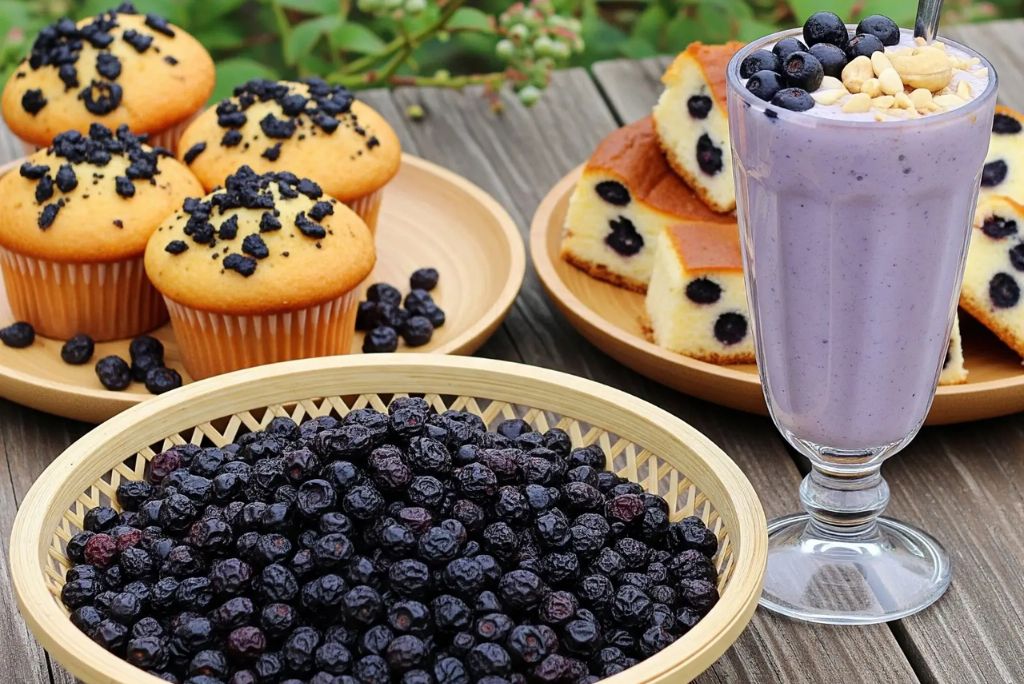
Blueberries have spent the last two decades on nearly every “brain food” list ever published, and there’s a reason they keep showing up. They’re a familiar grocery store staple, easy to add to oatmeal, yogurt, or a simple bowl with breakfast, and they travel well in a lunchbox. For most American kitchens, a pint of blueberries is one of the lowest-effort ways to start eating with the brain in mind.
What’s interesting is what gives them that deep blue color. Blueberries are unusually rich in anthocyanins, plant pigments that researchers from the long-running Harvard Nurses’ Health Study have tracked alongside cognitive aging in older women for decades. The study didn’t prove cause and effect, but it found a pattern striking enough that berries earned their own spot on the MIND diet developed at Rush University.
2. Wild Salmon

Salmon has been a fixture of American dinner plates since the 1990s, when grocery stores started stocking it year-round and home cooks discovered how forgiving it is to roast or pan-sear. Whether it’s a fillet on Sunday or canned in a quick weeknight pasta, salmon is one of the few foods most people already know is “good for you” — they just may not always know exactly why.
The reason is mostly DHA, a long-chain omega-3 fatty acid that makes up a striking share of the brain’s structural tissue. The body can’t easily manufacture DHA on its own, which makes dietary sources matter, especially as we age. Wild salmon is one of the most concentrated everyday options, which is why it appears in nearly every cognitive-aging eating pattern researchers have studied.
3. Walnuts
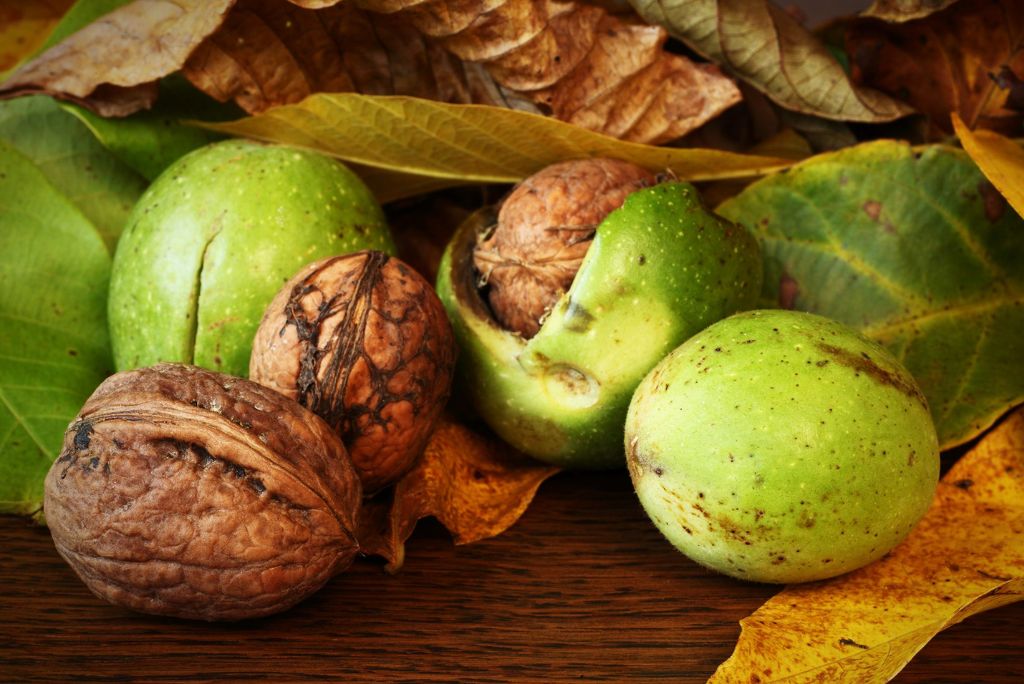
Walnuts have been a pantry staple in American homes since long before “superfood” was a marketing term, tucked into banana bread, sprinkled over salads, or eaten by the handful from a bowl on the coffee table. They’re not flashy and they’re not new. They’re the kind of food a grandmother might have kept in a glass jar by the stove, which is part of their quiet credibility.
Their resemblance to a brain is a coincidence worth a smile, but the nutritional case is real. Among common nuts, walnuts hold the highest level of alpha-linolenic acid, a plant-form omega-3 the body converts at a modest rate into the same family of fats found in salmon. That makes them a useful option for households that don’t eat much fish or want to round out their week.
4. Dark Chocolate (70% Cocoa or Higher)

Dark chocolate has crossed the line from indulgence to “the one dessert your doctor doesn’t roll her eyes at” — and that quiet permission is part of its appeal. A square or two after dinner feels civilized rather than guilty, and the bitter intensity of higher cocoa percentages tends to satisfy a sweet craving with a smaller serving than milk chocolate ever could.
Cocoa contains a class of plant compounds called flavanols, which researchers at Columbia University have studied for their effects on blood flow to the hippocampus, a brain region central to memory. The findings have been encouraging rather than miraculous, but they help explain why dark chocolate keeps appearing on cognitive-health lists. Look for bars labeled 70% cocoa or higher to get a meaningful amount.
5. Spinach

Spinach is the green most people first met as kids — usually in a way that didn’t endear it to them. As adults, the relationship tends to soften. Baby spinach has made salads easier, sautéed spinach pairs with almost anything, and a generous handful blends invisibly into a smoothie. It’s also one of the cheapest leafy greens in the produce section, available year-round.
What makes it relevant here is its concentration of folate, lutein, and vitamin K — a trio that anchors the MIND diet, the eating pattern developed by Rush University researchers specifically with cognitive aging in mind. Dark leafy greens are the single most-emphasized food category in that diet, which alone is reason enough to keep a bag of spinach in the fridge most weeks.
6. Eggs

Few foods have ridden the dietary rollercoaster like eggs. For decades they were villains. Then they were rehabilitated. Now they’re considered, by most mainstream nutrition organizations, a reasonable everyday food for most adults. For people over 45, that history alone is worth remembering — eggs were quietly nutrient-dense the whole time, regardless of what the headlines were doing in any given decade.
The piece that matters here is choline, a nutrient most Americans don’t get enough of and one that the body uses to make acetylcholine, a neurotransmitter involved in memory and attention. Eggs are one of the few everyday foods that deliver meaningful amounts. The choline lives in the yolk, so the trendy egg-white omelet is leaving most of the benefit on the cutting board.
7. Avocado
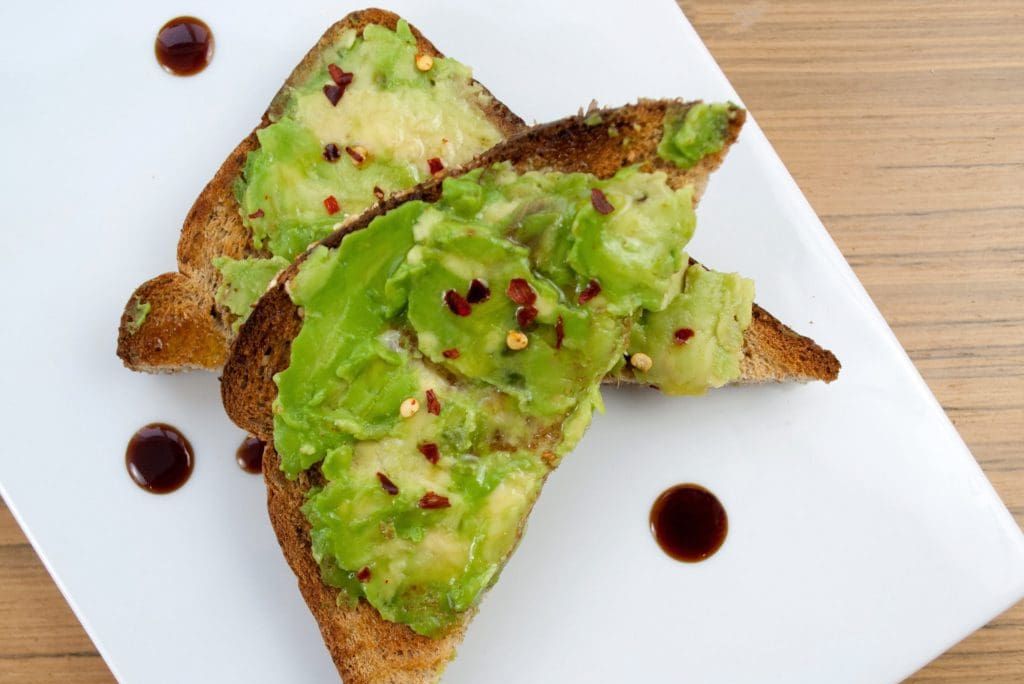
Avocado moved from a regional ingredient to a national breakfast staple in a remarkably short stretch of the last two decades, and it has stayed there. Sliced on toast, mashed into guacamole, folded into a salad, or simply eaten with a spoon and a pinch of salt, it’s now one of the easiest ways to add a creamy, satisfying fat to a meal without much work.
Beyond the monounsaturated fats that have made it a Mediterranean-diet favorite, avocados contain lutein — the same carotenoid that accumulates in the eyes and in the brain. The combination of healthy fats and lutein, paired with fiber and potassium, is why nutrition researchers tend to put avocados on cognitive-aging lists without much hesitation. They’re also one of the few satisfying ways to “eat your fat.”
8. Coffee

Coffee is the most reliable ritual in millions of American mornings, and at this point it doesn’t need much of a defense. What’s worth knowing is that beyond the caffeine, coffee has quietly become one of the largest sources of polyphenols in the average American diet, simply by being a daily habit for most of the adult population. The cumulative exposure adds up.
Long-term studies, including several large European cohorts, have associated moderate coffee drinking with healthier cognitive aging — though “associated with” is doing a lot of work in that sentence. Coffee isn’t a treatment for anything. But for people already drinking a cup or two a day, the research is reassuring rather than alarming, which is a useful thing to know when the headlines keep flip-flopping.
9. Extra-Virgin Olive Oil
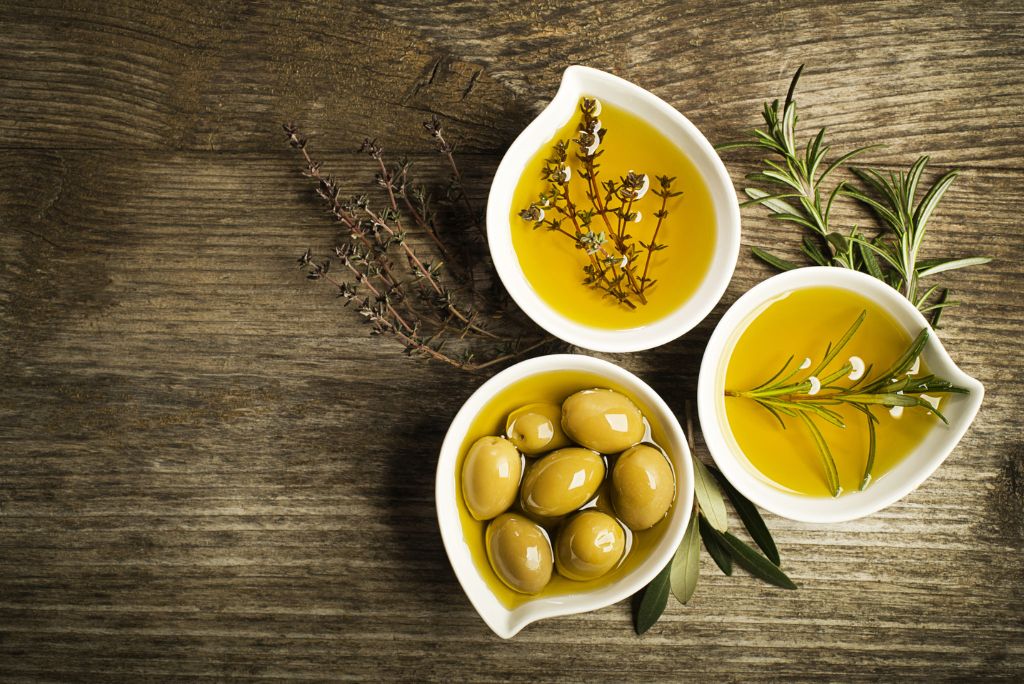
Extra-virgin olive oil moved into mainstream American kitchens slowly through the 1990s and 2000s, eventually replacing butter and neutral vegetable oils in many homes. It tastes like something — peppery, grassy, sometimes almost fruity — which is part of the reason cooks who try it tend to keep using it. A good bottle becomes part of how a kitchen actually runs day to day.
It’s also the cornerstone fat of the Mediterranean diet, the eating pattern most consistently linked in long-term research to slower brain aging. The PREDIMED trial, conducted across Spain, is one of the most-cited studies in this area. Olive oil isn’t a single magic ingredient — it’s a habit that comes attached to a broader way of eating that has held up well in the cognitive-aging literature.
10. Green Tea
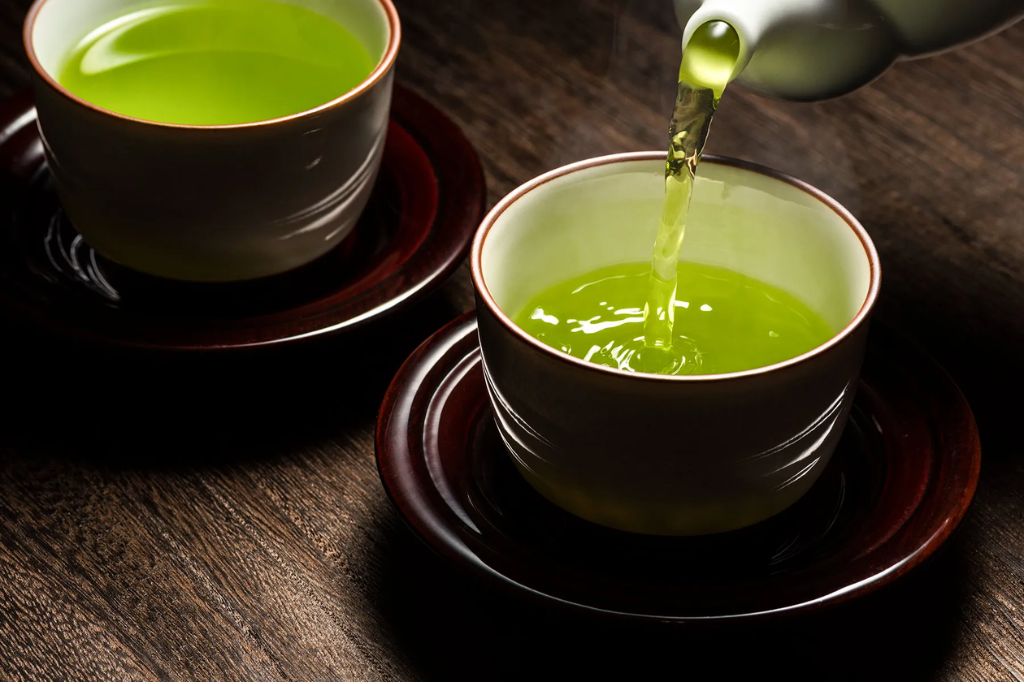
Green tea has a quieter presence in American kitchens than coffee, but it has steadily grown over the last twenty years, helped along by bottled versions in grocery stores and a generation that found matcha. A small pot in the afternoon, or a single bag steeped in a mug while reading the morning paper, is enough to count toward a regular habit.
Green tea contains L-theanine, an amino acid that pairs with its modest caffeine content to produce what researchers have described as a calm, focused state — measurable on EEG scans in published studies. It isn’t a stimulant in the espresso sense. People who don’t tolerate coffee well sometimes find that green tea is a gentler way to get a similar kind of mental lift.
11. Pumpkin Seeds

Pumpkin seeds — the small green ones, sold shelled as pepitas — have moved from a Halloween byproduct to a year-round snack in the bulk aisles of most American grocery stores. They keep well, travel well, and add a satisfying crunch to salads, oatmeal, and yogurt without much effort. A small jar in the pantry is one of those quiet upgrades that pays off in weeks of small choices.
A modest handful delivers a meaningful share of the day’s zinc, magnesium, iron, and copper — minerals the nervous system relies on for everyday signaling. None of these are exotic nutrients, but they’re easy to fall short on, especially in diets light on shellfish or red meat. Pumpkin seeds quietly fill several gaps at once, which is more than most snacks can honestly claim.
12. Sardines

Sardines are one of the most undervalued foods in the American grocery store. A tin costs less than most candy bars, lasts in the pantry for years, and requires nothing more than a fork and a piece of toast. For readers who grew up watching a parent or grandparent eat them straight from the can, the association is closer to nostalgia than novelty — and there’s no shame in returning to it.
What hasn’t changed is how nutritionally dense they are. Pound for pound, sardines are among the most concentrated sources of DHA omega-3, vitamin B12, and vitamin D in the food supply, and they come with the small bones still in — a useful source of calcium most people don’t notice they’re eating. Few foods deliver this much for so little money.
13. Broccoli
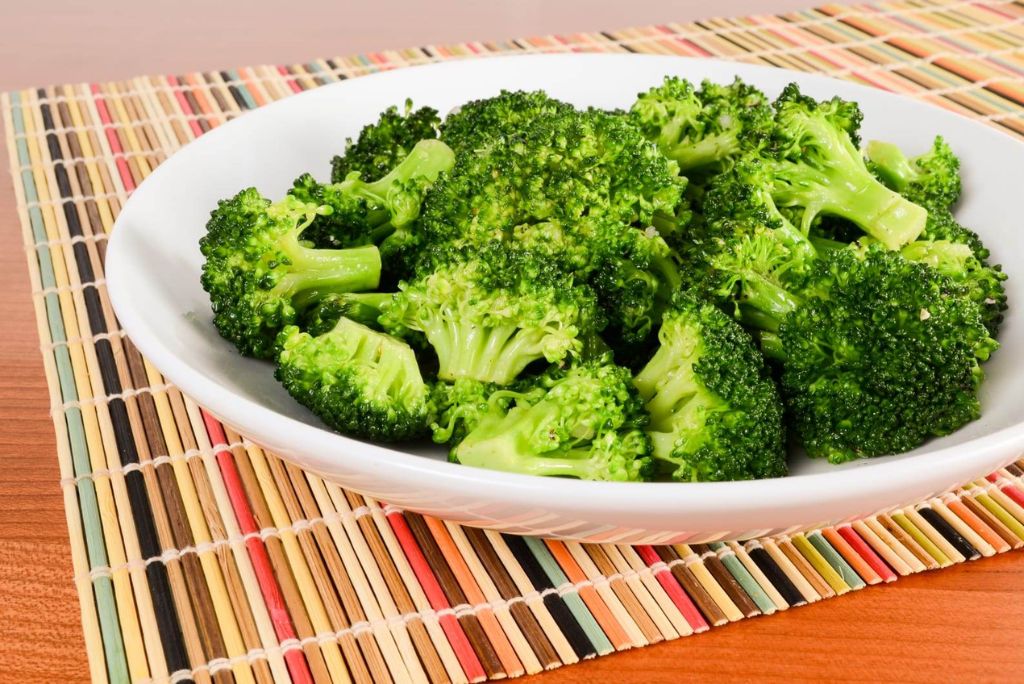
Broccoli is one of those vegetables that took a long road to acceptance. For many Americans over 45, the childhood version was overcooked, gray, and unloved. The adult version — quickly steamed, roasted with olive oil until the tips brown, or stir-fried with garlic and chili flakes — is a different food entirely, and it has earned its way back onto a lot of dinner plates over the past two decades.
Its quiet brain credential is vitamin K. The Rush University team behind the MIND diet has highlighted vitamin K’s association with better verbal memory in older adults, and broccoli is a standout source. It also brings sulforaphane, a compound researchers have studied for its role in cellular stress response. None of this makes broccoli a miracle vegetable, but it earns its spot on the list.
14. Beets
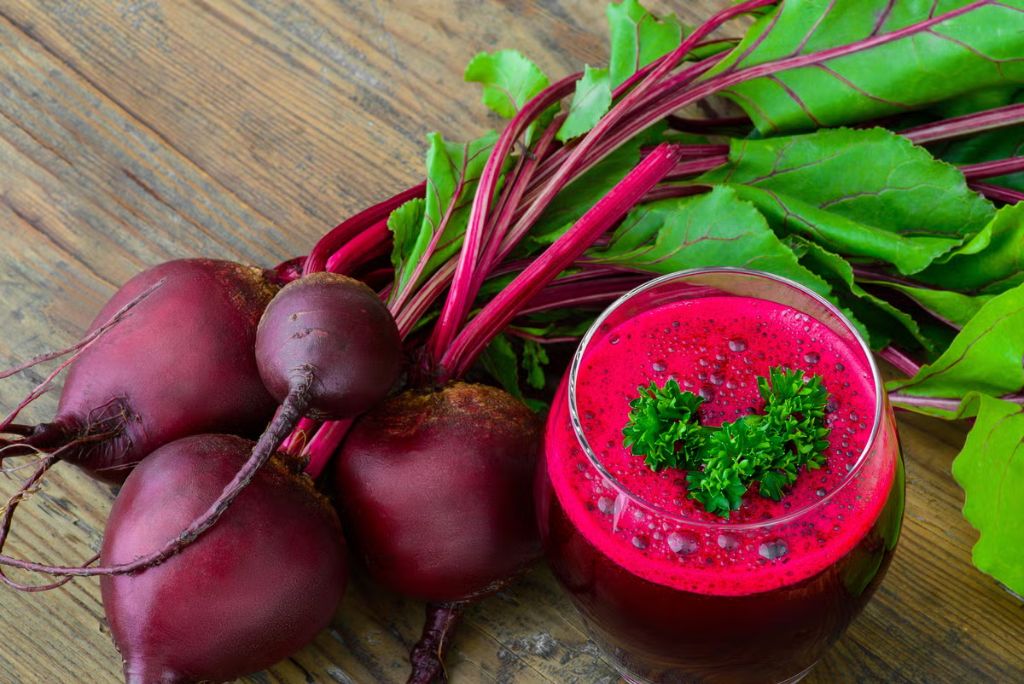
Beets have spent decades on the edges of the American plate — pickled on a salad bar, canned in a relish, occasionally roasted in a Sunday dinner. The renewed interest in roasting them whole, or shaving them raw into salads, has put them back in the spotlight. They’re sweet, earthy, and inexpensive year-round, which turns out to be a useful combination of qualities for any regular cook.
Beets are naturally high in dietary nitrates, which the body converts to nitric oxide — a compound that helps relax blood vessels, including the small ones that feed the brain. Several small trials, often in older adults, have looked at beetroot juice and short-term cognitive performance. The findings have been modest but consistent enough to keep researchers interested in following the thread further.
15. Turmeric

Turmeric has been a kitchen staple in South Asian cooking for centuries, but its move into American pantries is more recent, propelled by the rise of curry blends, golden milk lattes, and a wave of headlines about its yellow pigment. A small jar in the spice rack now feels more familiar than exotic for most home cooks under 60, and it adds warmth to rice, soups, scrambled eggs, and roasted vegetables.
That yellow pigment is curcumin, and it has become one of the most-studied dietary compounds in cognitive aging research. The picture is genuinely mixed — curcumin absorbs poorly on its own and study results vary — but the volume of research being done speaks to how much scientific interest the compound has generated. Using turmeric regularly in cooking is the simplest way to include it day to day.
16. Strawberries
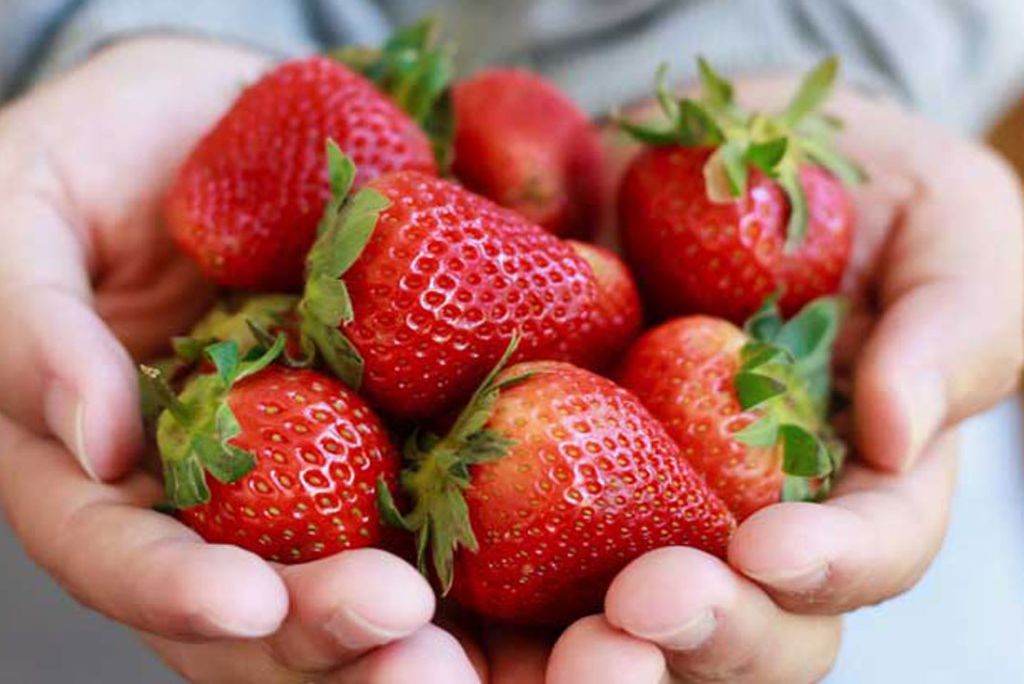
Strawberries are usually the first berry American children encounter, and they remain the most-eaten berry by a wide margin in adulthood. A pint from the grocery store, a carton from a roadside stand in summer, or a frozen bag for smoothies — they fit into a kitchen with almost no friction. That accessibility matters when nutrition advice often falters at the simple question of “but will I actually eat it?”
Strawberries sit alongside blueberries at the top of the MIND diet’s berry recommendation. The Harvard Nurses’ Health Study tracked berry intake against cognitive outcomes for decades and found a pattern noticeable enough to keep the research going. Like all observational findings, it isn’t proof — but strawberries belong in this conversation, and they happen to be one of the easier brain-friendly foods to actually buy and finish.
17. Lentils

Lentils sit somewhere between pantry staple and afterthought in most American kitchens — beloved by some, forgotten by many. They cook in twenty minutes without soaking, hold their shape in soup, and stretch a small amount of money into several meals across a week. For households trying to eat a bit less meat without committing to a label, they’re one of the most practical entry points available.
Their relevance here comes from folate. This B-vitamin plays a role in regulating homocysteine, an amino acid that researchers have measured at elevated levels in some people with cognitive decline. Lentils are one of the top plant sources of folate, alongside leafy greens and beans, which is part of why plant-forward eating patterns keep showing up in long-term brain-aging research from multiple countries.
18. Tomatoes (Especially Cooked)

Tomatoes are everywhere in the American diet — fresh on a sandwich, sliced onto a salad, simmered into sauce for pasta night. Most readers have a tomato story or two: a backyard plant, a grandmother’s sauce, a summer when the vines wouldn’t stop producing. They’re not glamorous, but they’re constant, which turns out to be what most genuinely useful foods are over a lifetime of eating.
The interesting wrinkle is that heat actually helps. Cooking concentrates lycopene, the carotenoid that gives tomatoes their red color, and changes its structure into a form the body absorbs more efficiently. So tomato sauce, soup, and paste deliver more accessible lycopene than raw slices ever could. It’s one of the rare cases where the more processed version of a food is the nutritionally smarter choice.
19. Pomegranate

Pomegranate has a longer story than most American shoppers realize — it shows up in art and literature across thousands of years, long before it became a juice in the refrigerated aisle. Now both the whole fruit and the bottled juice are widely available year-round, and a single pomegranate can supply enough seeds to brighten a week of salads, yogurts, oatmeals, and grain bowls.
Researchers at UCLA have run small clinical trials on pomegranate juice and memory tasks in middle-aged and older adults, with results modest but interesting enough to continue investigating further. The fruit is unusually rich in polyphenols, the same broad class of plant compounds that put olive oil, berries, and dark chocolate on lists like this one. It belongs in the same conversation.
20. Whole-Grain Oats
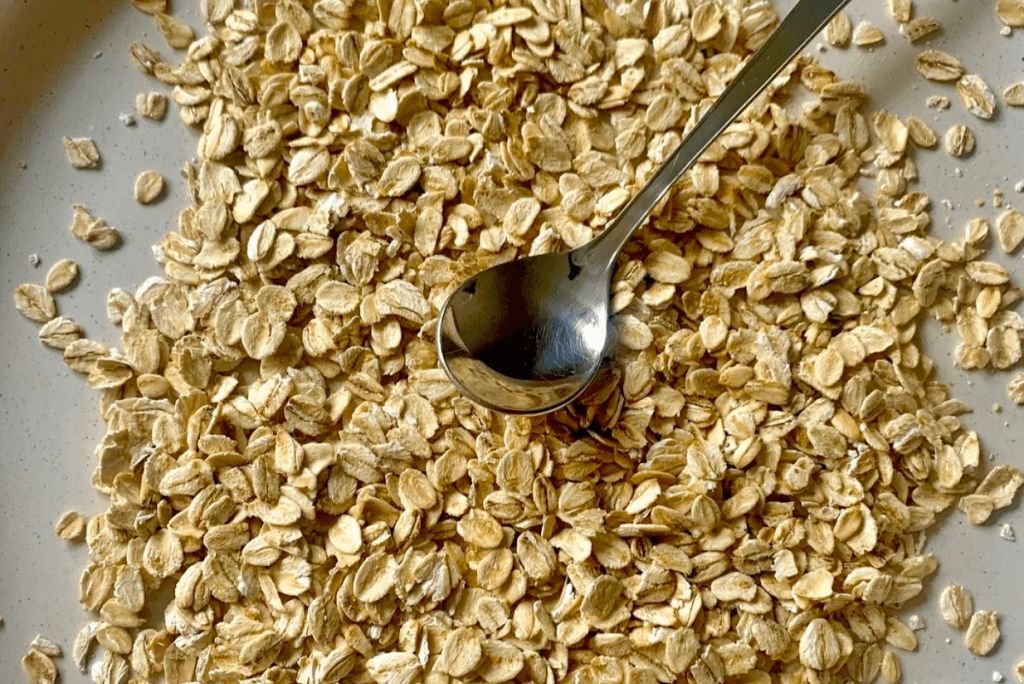
Oats are about as American a breakfast as exists — a bowl of oatmeal on a cold morning has been a comfort across generations, regions, and income levels. They’re cheap, shelf-stable, and endlessly variable: sweet or savory, hot or overnight, plain or piled with fruit and nuts. Few foods are as easy to turn into a daily habit that actually sticks for years.
The brain runs on glucose, but it prefers the slow-release kind that whole oats deliver alongside fiber and B vitamins. The result is steadier energy without the spike-and-crash pattern of more refined breakfasts. Steel-cut and old-fashioned rolled oats hold up best — instant packets, especially the heavily flavored ones, behave more like dessert than the whole grain they originally came from.
21. Sweet Potatoes

Sweet potatoes have moved from a once-a-year Thanksgiving side to a year-round dinner staple in a lot of American kitchens. Baked whole in foil, cubed and roasted with olive oil, or mashed with a little butter and cinnamon, they’re filling, naturally sweet, and surprisingly forgiving of being overcooked. Most grocery stores stock them all year for around a dollar a pound, which keeps them honest.
Their deep orange color is mostly beta-carotene, which the body converts to vitamin A — a nutrient used in the cellular processes that help protect nerve tissue from oxidative stress. They also bring fiber and a slow-release form of carbohydrate. None of this makes sweet potatoes a single-nutrient hero, but they belong in the kind of varied, plant-forward diet that keeps showing up in cognitive-aging research.
22. Greek Yogurt
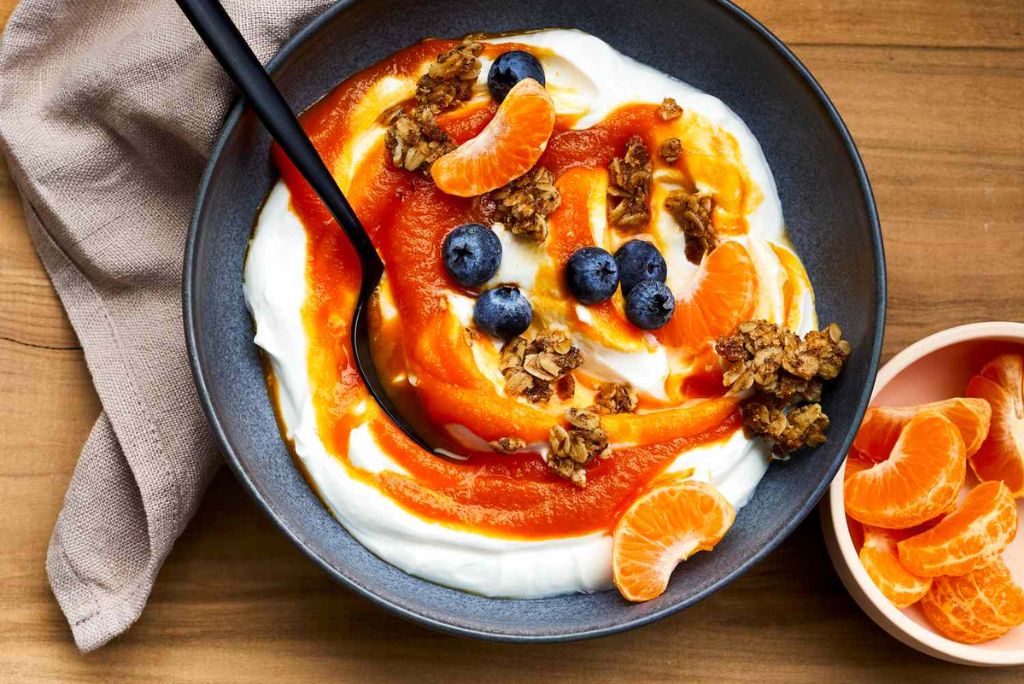
Greek yogurt arrived in American grocery stores around the late 2000s and never left. Thicker and higher in protein than the older style, it crossed quickly from a specialty item to a staple, and it shows up now at breakfast, in dips, and as a sour cream substitute in baking. A plain tub of full-fat or low-fat Greek yogurt is one of the more versatile things in any fridge.
Its relevance to memory and thinking sits in a newer area of research called the gut-brain axis — the growing body of work showing that intestinal microbes appear to influence mood, inflammation, and cognition through pathways scientists are still mapping. Yogurt is a familiar way to add probiotic bacteria to the day. The research is early, but the food is harmless and the potential upside is genuinely interesting.
23. Red Bell Peppers
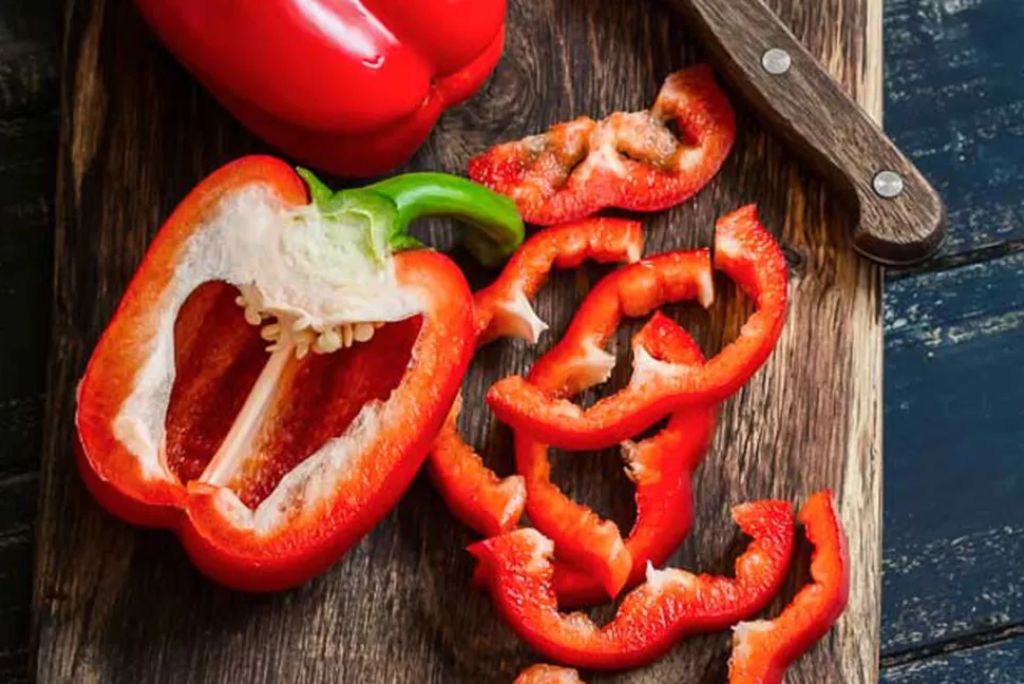
Red bell peppers are the sweetest of the colored peppers, which is why they’re the ones children tend to accept first and adults tend to keep around the kitchen. Sliced into raw sticks for hummus, roasted whole until the skin blisters and peels, or chopped into a stir-fry, they bring color and a mild natural sweetness that almost no other vegetable in the produce section can match.
The surprise is vitamin C. Ounce for ounce, red bell peppers contain noticeably more vitamin C than an orange — a fact that catches most people off guard the first time they hear it. The brain holds vitamin C at higher concentrations than nearly any other tissue in the body, which is one of the quieter reasons researchers keep paying attention to it. A pepper or two a week is an easy way in.
24. Sage

Sage is the herb most Americans associate with Thanksgiving stuffing and not much else, which is a bit of a shame, because it does considerably more than that. Its slightly bitter, almost piney flavor works beautifully with butter, brown butter, white beans, winter squash, and pork. A small sage plant grows happily in a sunny kitchen window for years with very little attention.
Researchers at the UK’s University of Northumbria have published several small trials testing sage extract’s effects on memory tasks in adults, with results that have helped keep the herb on the cognitive-aging radar. The everyday cooking dose isn’t the same as the concentrated extracts used in those trials, but adding sage to your week is harmless, inexpensive, and ties into a real line of ongoing research.
25. Rosemary

Rosemary is the woody, evergreen herb that perfumes a Sunday roast and refuses to die in the herb garden no matter how hard you try. Most American cooks know it from chicken, potatoes, and lamb. Its scent is sharp, piney, and faintly medicinal — the kind of smell that fills a kitchen and lingers, in a way that almost feels like part of the meal itself before anyone sits down.
There’s a Shakespearean line — “rosemary, that’s for remembrance” — that has aged better than most of his herbal references. The same Northumbria research group that studied sage has published work on rosemary’s aroma and performance on memory tasks in adults. The effects measured are modest, but the through-line is interesting enough that rosemary keeps showing up on lists like this one decade after decade.
26. Mushrooms
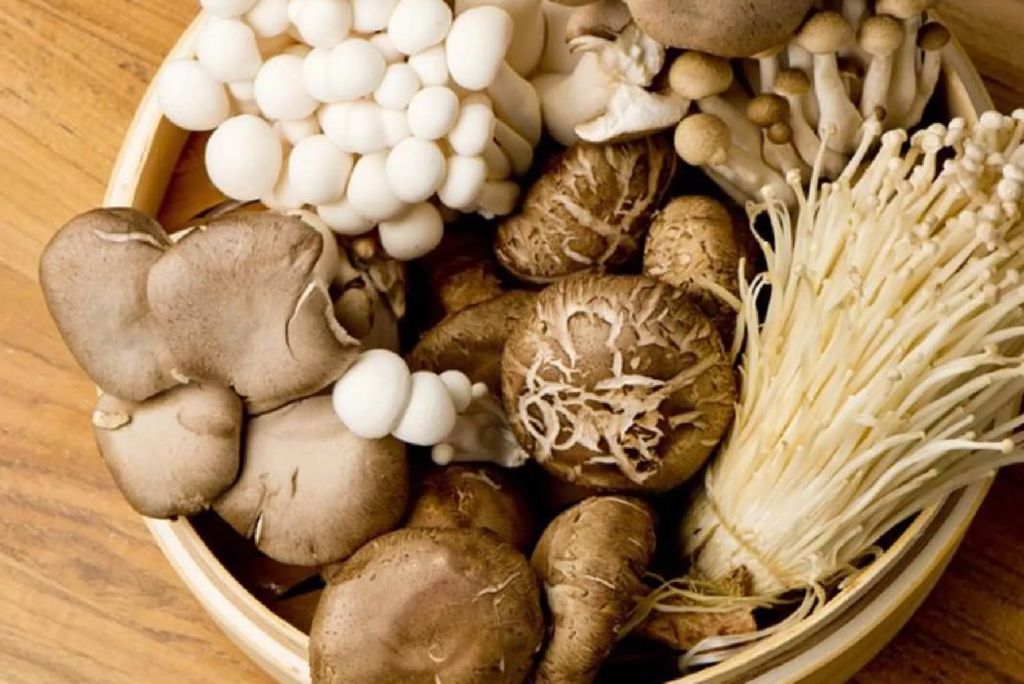
Mushrooms have been quietly expanding their place on American plates for decades — cremini, portobello, shiitake, oyster, and lion’s mane are now widely available in grocery stores that used to stock only the basic white button. Roasted, sautéed in butter with a little garlic, or sliced raw onto a salad, they bring a savory, almost meaty depth that few other vegetables can match for the price.
A 2019 study from researchers in Singapore, published in the Journal of Alzheimer’s Disease, followed older adults over several years and reported that those eating more than two servings of mushrooms per week showed lower rates of mild cognitive impairment. It was an observational study — not proof of cause — but the result was striking enough that it has shaped a lot of the recent conversation about mushrooms and brain aging.
27. Edamame

Edamame — young, green soybeans served in their pods — arrived in American restaurants through sushi bars in the 1990s and gradually made their way into freezer aisles nationwide. They’re cheap, take about five minutes to prepare from frozen, and travel well as a snack or side dish. A bowl with a sprinkle of sea salt is one of the easier ways to add a plant protein to almost any meal.
They deliver a quiet combination of plant protein, folate, and isoflavones — soy compounds that Japanese researchers have tracked in long-term studies of cognitive aging in populations that eat soy daily across a lifetime. The picture isn’t simple, and results vary by population and form of soy, but edamame remains one of the gentler and more enjoyable ways to bring a little soy into a Western diet.
28. Flaxseeds
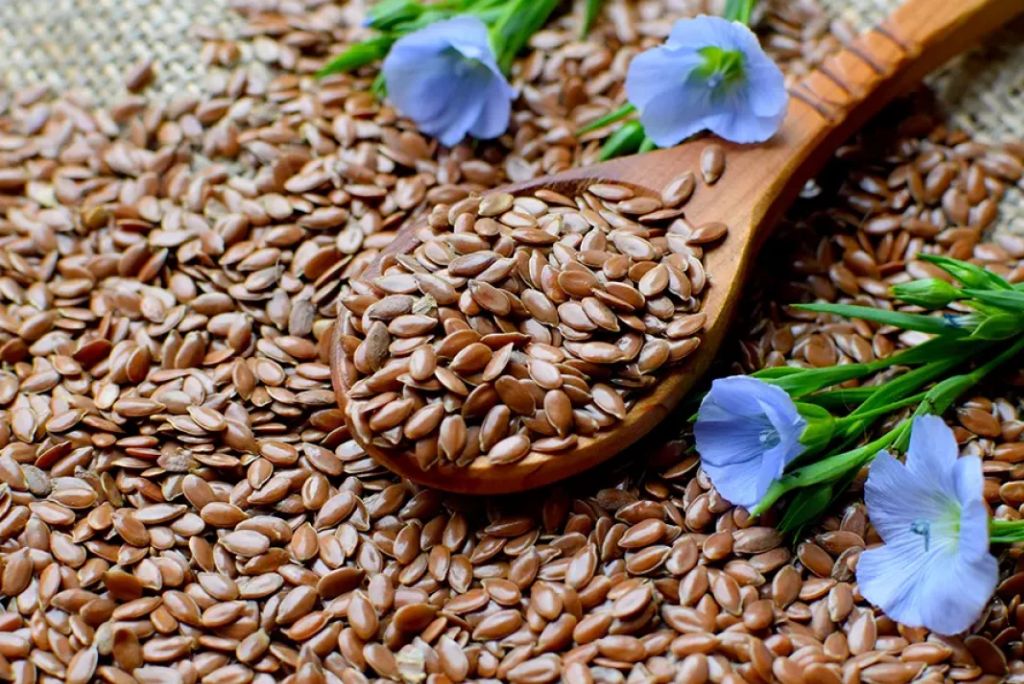
Flaxseeds have a low profile in most American kitchens, usually appearing as a small bag in the baking aisle or a scoop in a smoothie at the gym. They’re inexpensive, last for months in the freezer, and grind into a fine meal that disappears into oatmeal, yogurt, bread dough, or pancake batter without changing the flavor in any way you’d notice across breakfast.
A single tablespoon of ground flaxseed delivers more plant-based omega-3 ALA than almost any other food in the typical American kitchen — useful for households that don’t eat fish often. The body converts ALA to longer-chain omega-3s at a modest rate, but it adds up over time, and flax is one of the easier ways to nudge a daily diet in that direction quietly.
29. Sauerkraut

Sauerkraut has a long history in American kitchens, brought by German immigrants and parked for generations alongside hot dogs, brats, and Reubens. The version that matters here is the unpasteurized kind, sold refrigerated rather than canned — that’s the one with the live cultures still intact. A small forkful alongside a meal a few times a week is enough to start counting as a habit.
Fermented foods like sauerkraut sit at the center of the renewed scientific interest in the gut-brain axis — the connection between intestinal microbes and cognition that researchers are still actively mapping. The research is early and the picture is incomplete, but sauerkraut is cheap, traditional, and worth experimenting with for readers who haven’t paid much attention to the fermented section of the grocery store before.
30. Oysters
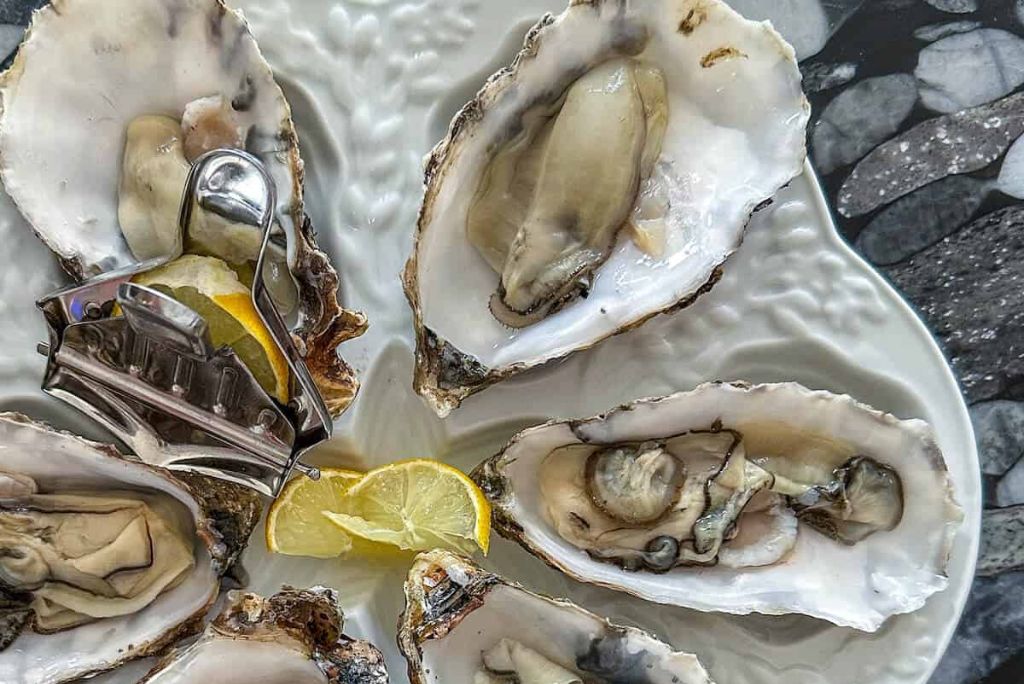
Oysters might feel like the most surprising entry on this list, more associated with date nights and coastal vacations than with everyday brain health. But for readers who already enjoy them, a half-dozen on the half shell now and then is doing more than just satisfying a craving. They’re one of the most nutrient-dense foods in the American diet by weight, full stop.
Oysters are among the densest natural sources of zinc and vitamin B12 — two nutrients whose deficiencies have been most clearly tied to cognitive complaints in older adults. They also bring iron, selenium, and a meaningful amount of long-chain omega-3s in each serving. A small portion here and there throughout the year is enough for most people to benefit, which makes oysters a fitting closer to a list worth thinking about.